The flavors of Hunan are not only found in street-side snacks but also in the daily warmth of countless households. Among them, the most authentic soul dish is undoubtedly stir-fried pork with chili. Want to taste the “King of Hunan Cuisine,” which has captivated the entire nation? Follow along, and you’ll bring this genuine flavor to your own dining table!
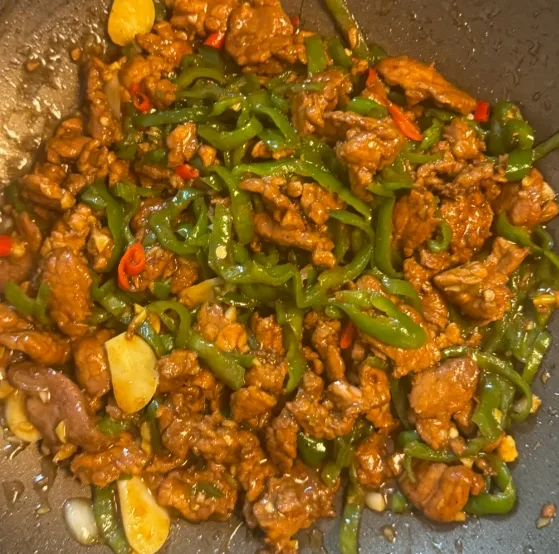
How to make spicy stir fried meat delicious
Many home chefs wonder, ‘Why doesn’t my spicy stir-fried meat taste like a local restaurant in Hunan?’ The secret is not the hidden cooking steps – it usually boils down to two basic choices: the right pork and the right chili. Mastering these is the true secret to authentic Chinese chili stir-fried meat.
Selection of Pork
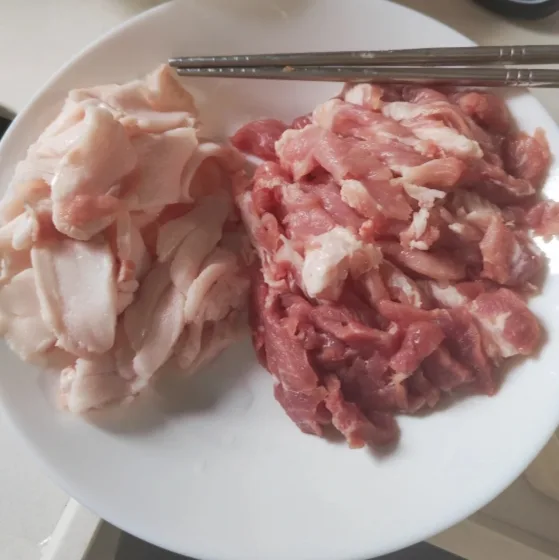
For the ultimate chili stir-fry, you want pork that marries lean meat with rich fat. That’s why the front leg (pork shoulder) is the gold standard. Its well-distributed marbling and active muscle structure create the perfect foundation for a tender and flavorful dish.
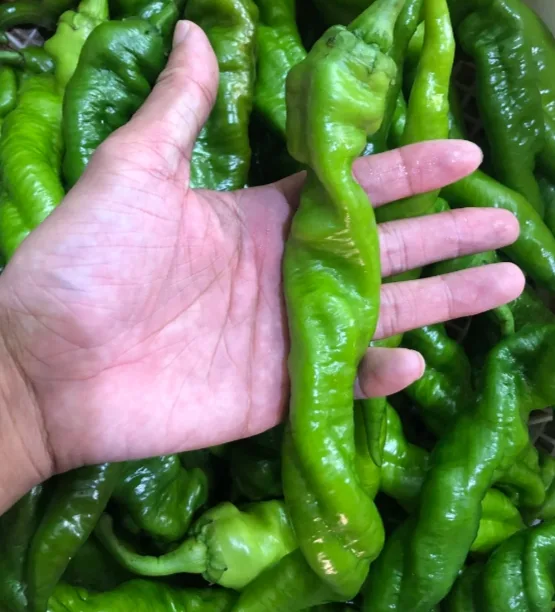
Chinese chili pepper
To truly appreciate Hunan cuisine, you have to embrace the chili. Whether it’s in classic dishes like Hunan-style chicken or pepper stir-fry, you’ll find that chili is what gives this cuisine its signature kick and transforms every meal.
We will definitely store various types of chili peppers in our refrigerator.
If you are a beginner in eating chili peppers, I would recommend adding “fresh Sichuan peppercorns” and stir-frying them with sliced meat.
There is no need to worry about its spiciness when completing it. Its spiciness is soft and has a hint of sweetness, mainly releasing its fresh and spicy flavor during stir-frying, and giving the dish a crisp taste.
How to Stir fry Pork and Chili peppers
Pork section
Rinse the pork thoroughly with clean water and use kitchen paper to absorb any surface moisture. This step can make it easier for the meat to absorb the marinade.
Cut the pork into thin slices against its texture (muscle fibers), and separate the fat and lean meat into separate bowls.
Green pepper part
Remove the stem from the green pepper, cut it in half, and remove the white fascia and chili seeds inside.
The most commonly used cutting method. Cut the green pepper into long strips and then diagonally cut them into evenly sized diamond or triangular pieces.
Sauce section
Salt:It’s the “door kicker” of marinating. It charges in first to relax the meat fibers, so the meat can “drink” up all the moisture and flavors. Without it, nothing else really works!
Oyster Sauce:Just salty isn’t enough! Oyster sauce is here to bring the “umami punch”, adding that rich, savory flavor and a touch of sweetness. It makes the taste complex and awesome. Pro tip: if you use this, go easy on the salt, or you’ll end up with a salt bomb!
Dark Soy Sauce:This guy is all about “color”. That beautiful, deep brownish-red color you love in restaurant dishes? It’s all him. But remember, don’t go overboard! A few drops are usually enough, unless you’re aiming for the “burnt” look.
Cornstarch:This is the MVP for tenderness! It coats the meat in a thin, protective “armor”. When you cook it, this armor traps all the juices and flavors inside. The result? Super smooth, tender, and juicy meat that’s never tough.

Pork and Pepper Stir Fry
20
minutes10
minutes30
minutesA mouthful of green pepper and a mouthful of meat, delicious and non-stop!
Ingredients
Chili Pepper
Pork Shoulder
Pork Belly
Salt
Oyster Sauce
Dark Soy Sauce
Cornstarch
Minced Garlic
Directions
- With fat foreleg meat 300g (fat thin cut separately! Fat oil refining is the soul, lean meat sliced)
- Cut the chili into a roller shape
- Add dark soy sauce, oyster sauce, and salt to the sliced lean pork. Mix well until the meat absorbs the seasonings. Finally, add cornstarch and mix again until each slice is evenly coated. Let marinate for at least 10-15 minutes.
- Heat your wok over high heat without any oil. Add the peppers and dry-fry, tossing constantly, until slightly charred and fragrant.
- Render the fatty pork in a little oil over low heat until golden and crispy. Then, increase the heat to high and immediately add the marinated lean meat, stir-frying quickly until it changes color.
- Then, add minced garlic and the pre-fried green peppers back into the wok. Increase the heat to high and toss everything together for 30 seconds to combine the flavors.
Notes
- Adding fermented black beans and garlic leaves will have a different taste and texture
Pork and Pepper Stir Fry(FAQ)
The amount of cooking oil used for stir frying chili meat is usually 15-20 milliliters (about 1-2 tablespoons), which can be adjusted according to the amount of ingredients and cooking method.
Don’t be alarmed if you see more oil in the wok—this means you’re successfully rendering the fat from the pork. This rendered oil will become the flavorful base for the rest of the dish.
Yes. For best results with lean chicken breast:
Cook Gently: Blanch the chicken in medium-temperature oil (~70% hot) before stir-frying. This locks in moisture, preventing it from becoming tough and dry.
This is usually due to two main reasons:
Insufficient Wok Heat: The wok must be smoking hot before adding oil and ingredients to quickly sear and lock in juices.
Wet Ingredients: Peppers release water during cooking.
Solution: Pre-fry the peppers in the dry wok for a minute to remove excess moisture before the main stir-fry. This step also enhances their fragrance.
Combine different types of chili for a depth of flavor:
Fresh Spicy: From fresh chilies (e.g., jalapeños, bird’s eye chilies). Provides a sharp, clean heat.
Dry Fragrant Spicy: From dried chilies, toasted in oil. Gives a deep, aromatic heat.
Saucy Spicy: From fermented pastes like doubanjiang (chili bean paste). Adds a savory, umami-rich spice.
Charred Spicy: Briefly scorch dried chilies in hot oil for a smoky, robust flavor.