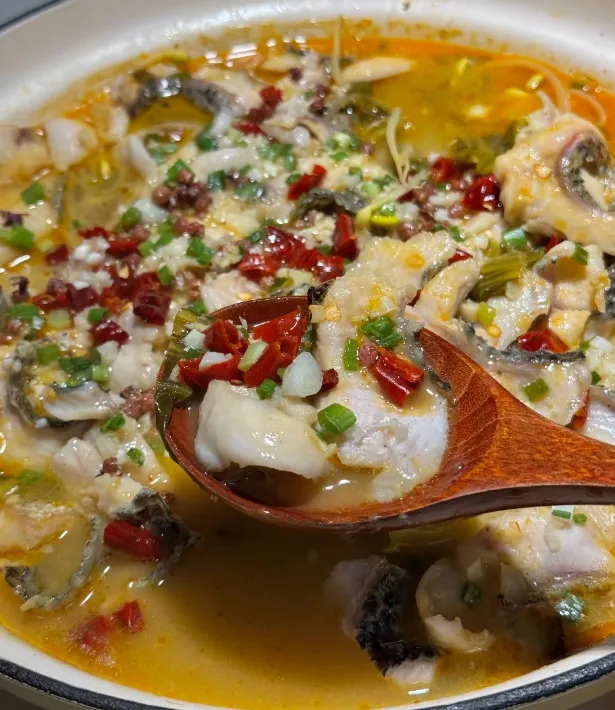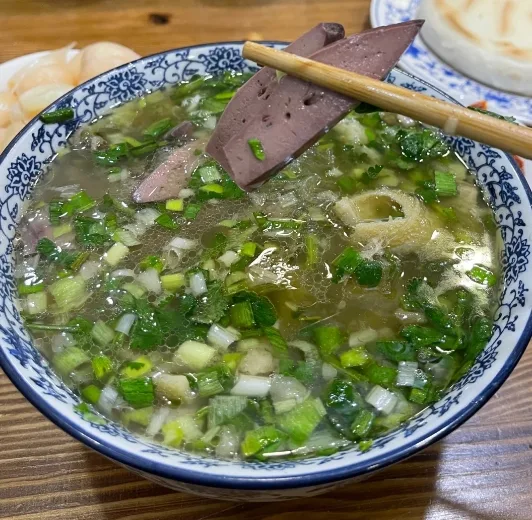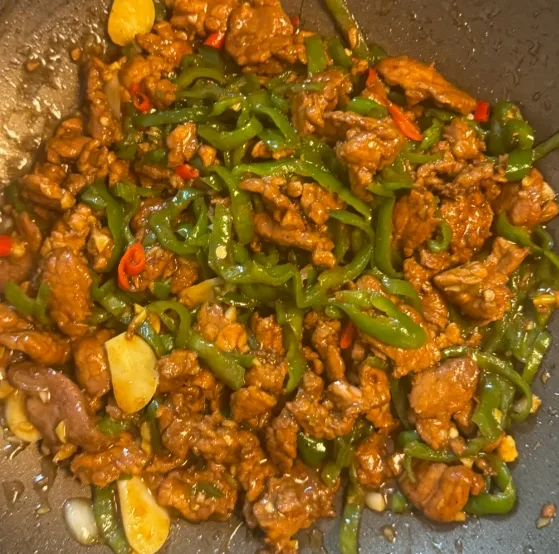
Let me show you my grandma’s secret recipe for chili oil that she’s been perfecting for ten years. It’s got an incredible kick and an amazing aroma. I guarantee you’ll be hooked from the first taste!
What Is Chili Oil?
Chili Oil is a spicy, aromatic condiment made by pouring hot oil over ground chili peppers and other spices. It’s a staple in Chinese cuisine.
In China, we call chili oil our “secret weapon.” The moment your dumplings or noodle soup enters this flavorful oil, you’ll discover an incredible flavor explosion that completely transforms the experience.
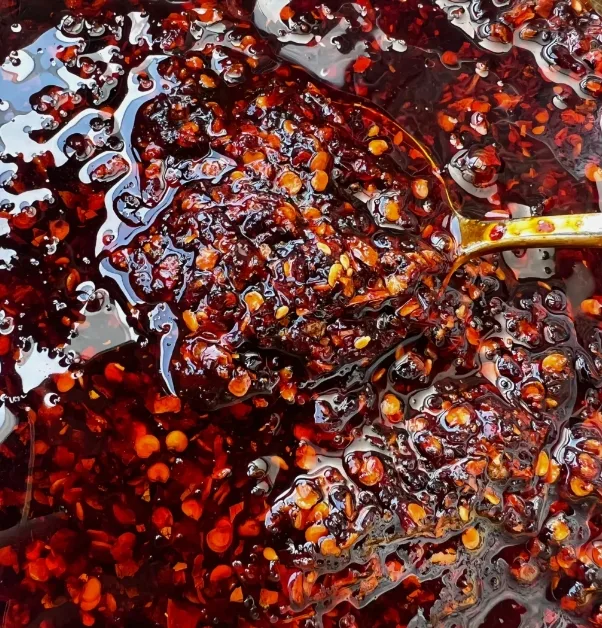
Ingredients You Need for Chili Oil
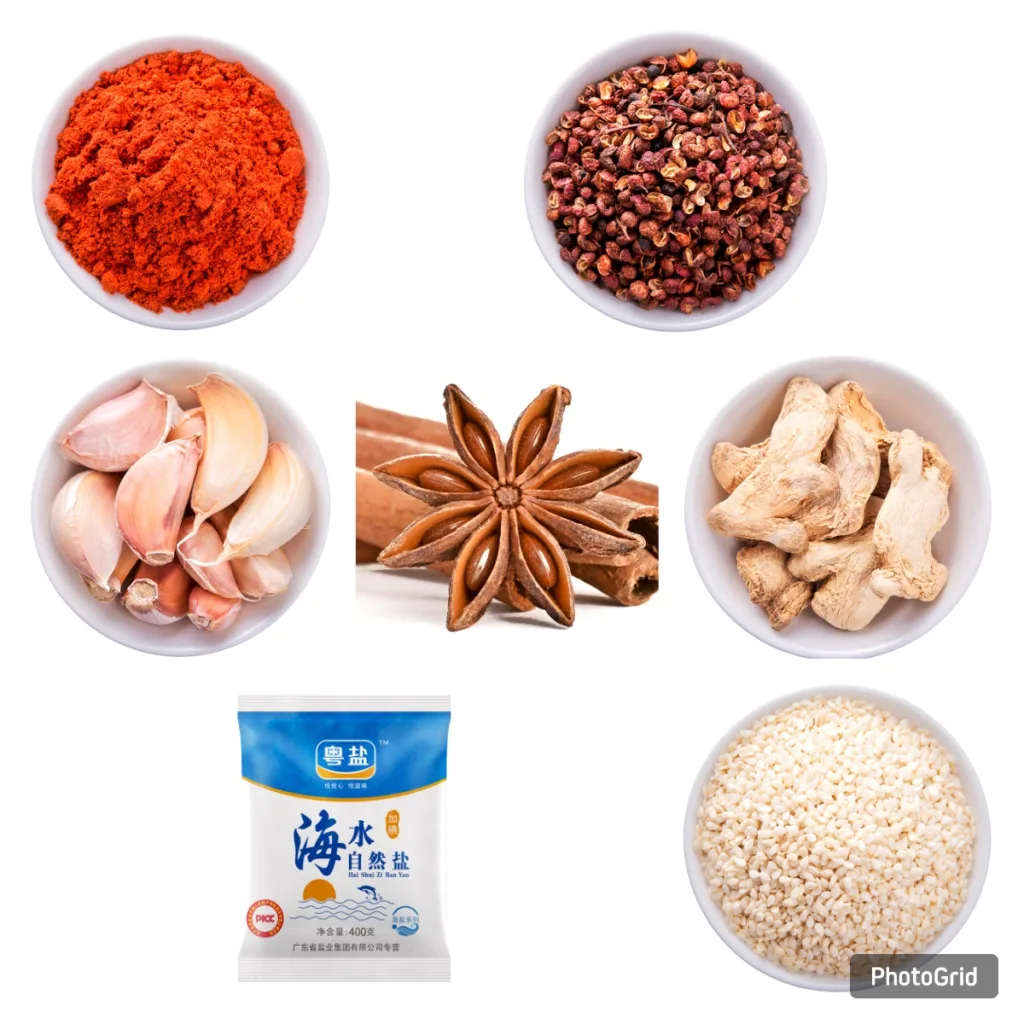
Chili powder (best mixed medium and coarse): 100g
Mix coarse and fine chili powder to get a chili oil that’s both fragrant and spicy, with great color and texture.
Sichuan peppercorns: 10 grams
Provides the signature numbing sensation (má) and a unique citrusy fragrance. It partners with the chili’s heat to create the classic “málà” profile, the soul of Sichuan flavor.
White Sesame: 20g
Role: When toasted in the hot oil, they release a rich nutty aroma, add textural interest when you bite into them, and make the final product look more appealing.
Ginger slices: 3 pieces | Scallion slices: 1 piece
These aromatics provide flavor while infusing the oil, but should be removed before they burn.
Octagonal: 2 pieces | Cinnamon: 1 piece | Fragrant leaves: 3 pieces
Provide sweet, woody notes and a hint of licorice-like sweetness.
Mature peanuts: 105g
Primarily adds texture—a hard, crunchy contrast. Secondly, it absorbs the flavor of the chili oil, becoming a savory and delicious snack on its own.
Salt: moderate amount
The king of seasonings. Salt doesn’t just add saltiness; it enhances umami and balances all the flavors. Without it, the heat and aromas can seem flat and sharp; the right amount of salt makes all the flavors harmonize and become multi-dimensional.
Step-by-Step Guide: How to Make Chili Oil
Step 1: Prepare Dry Ingredients
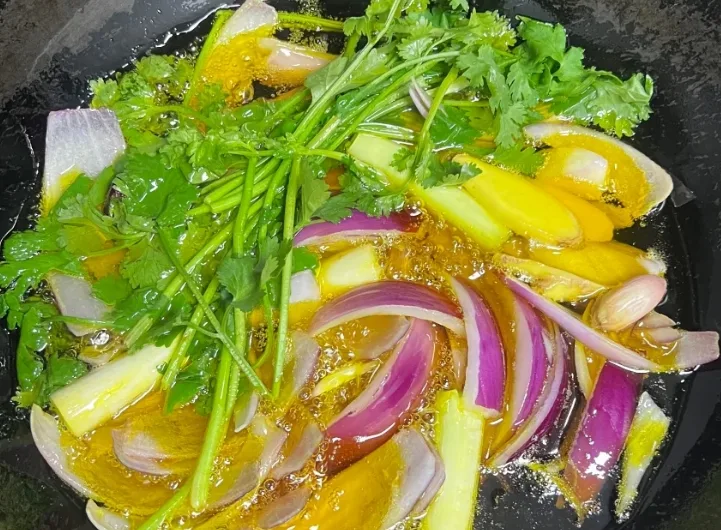
After heating the pot, pour in the prepared cooking oil. First, add ginger slices, scallions, and other spices. Fry over low heat until the aroma is fragrant and the spices dry, then remove.
Important: Make sure all washed items are completely dry before being added to the hot oil to prevent splattering.
Step 2: Heat the Oil
First, pour 40g of hot oil over the chili powder and sesame seeds, stirring immediately to form a wet paste.
Then, heat the remaining oil until it’s very hot but not smoking. Immediately pour it into the bowl in a steady stream while stirring constantly to evenly heat and release the full aroma.
Important: Must stir—this is crucial to unlock the perfect spicy aroma and prevent burning and bitterness.

Step 3: Mix and Rest
Once cooled, season the chili oil with salt and sugar according to your preference.
Important:Less sugar than salt enhances savoriness; more sugar than salt creates sweetness.
Step 4:Sealed Storage
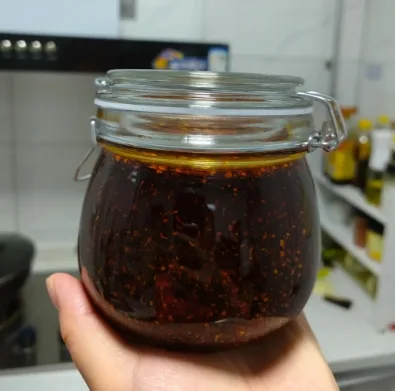
Put the prepared oil chili into a clean glass bottle and seal it for storage. Eat and take as you go, convenient and fast.
important:Seal it! Seal it! Seal it! — Less air means a longer shelf life.
How to Store Chili Oil
This is the method and experience my grandmother has used for ten years, and I guarantee you will gain something after reading it.
Does Chili Oil Need to Be Refrigerated?
It’s better to store chili oil in the refrigerator. The low temperature slows down spoilage and extends its shelf life.
How Long Does Chili Oil Last?
Refrigerated chili oil can generally last for 3 months or longer. When stored at room temperature, the shelf life is shorter, about 1-2 weeks. The actual duration depends on factors like ambient temperature, humidity, and the freshness of the ingredients used.
Can Chili Oil Be Stored at Room Temperature?
Short-term room temperature storage is possible. Ensure the storage environment is dry, well-ventilated, and not too hot. If the environment has high temperature and humidity, the chili oil can easily spoil, developing off odors or mold.
How to Tell If Chili Oil Has Gone Bad
First, check the appearance: if white mold spots appear, the color becomes dull, or separation occurs, it may have spoiled.
Second, smell it: normal chili oil has a rich, spicy aroma. If you detect sour, rotten, or other unusual odors, it has likely gone bad.
Usage Tips You Should Know
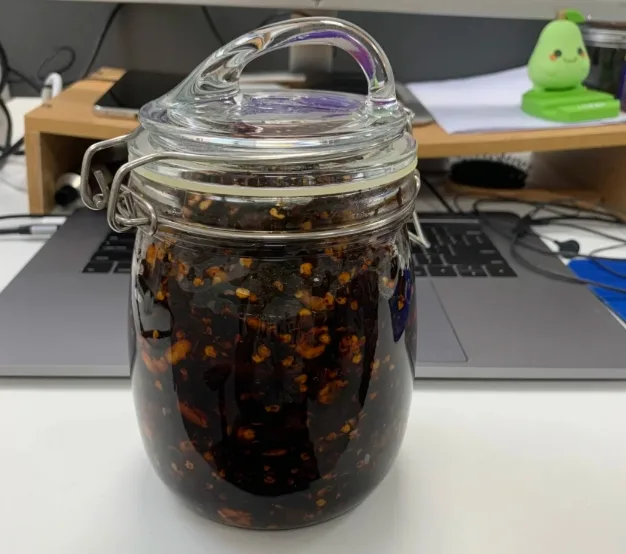
Always use a clean, dry spoon for serving. My grandma liked this tip so much that she even had me buy disposable spoons in bulk online—it’s incredibly convenient, as you can simply toss them after use.
How to Use Chili Oil
Noodle Toss
Stir in a spoonful of chili oil, and its unique aroma, spiciness, and richness can instantly breathe soul into the entire bowl of noodles, delivering a rich, complex fragrance and an appetizing mild heat.
Dumpling Dipping Sauce
Simply mix chili oil with vinegar, light soy sauce (and even a little minced garlic) to create an irresistible dipping sauce for dumplings.
Cold Dish Dressing
When making cold dishes like cucumber salad, wood ear mushrooms, or mouthwatering chicken, chili oil is not only a source of spiciness but also the key flavor carrier for aroma.
BBQ & Grilled Meats
When enjoying grilled meat or barbecue, chili oil can serve as a unique dipping sauce. It helps cut through the grease while enhancing the aroma, adding a touch of captivating Eastern flair to the charred, savory meat.
Ramen & Soup Noodles
When eating ramen, rice noodles, or any soup-based noodles, drizzle a spoonful of chili oil over the surface.
FAQ: Chili Oil Troubleshooting
Why Is My Chili Oil Bitter?
A bitter taste usually comes from overheated oil burning the chili powder or spices. For perfect chili oil, always control your oil temperature.
Why Does the Chili Burn?
This happens when oil is too hot. Remember to heat oil gradually and test it first – it’s ready when a small chili piece sizzles gently without smoking.
Can I Make Chili Oil Without Sichuan Pepper?
Yes, you can omit Sichuan pepper, though it will lack its signature numbing aroma. You might add black pepper or coriander seeds instead for a different flavor profile.