Tianjin, a city brimming with history and culture, boasts not only rich historical relics and a unique geographical location but also a vibrant culinary tradition. As a crucial port city in northern China, Tianjin’s food culture has been deeply influenced by the Haihe River Basin while incorporating flavors from various regions, creating a distinctive local style.
Though absent from China’s prestigious “Eight Great Cuisines,” Tianjin’s culinary tradition has cultivated its own identity – masterfully synthesizing northern imperial cooking techniques with Shandong roots, while celebrating its dual heritage of freshwater and maritime delicacies.
For food lovers, visiting Tianjin is an absolute feast for the taste buds. So, when you arrive in this city, what authentic local delicacies and snacks are absolutely unmissable?

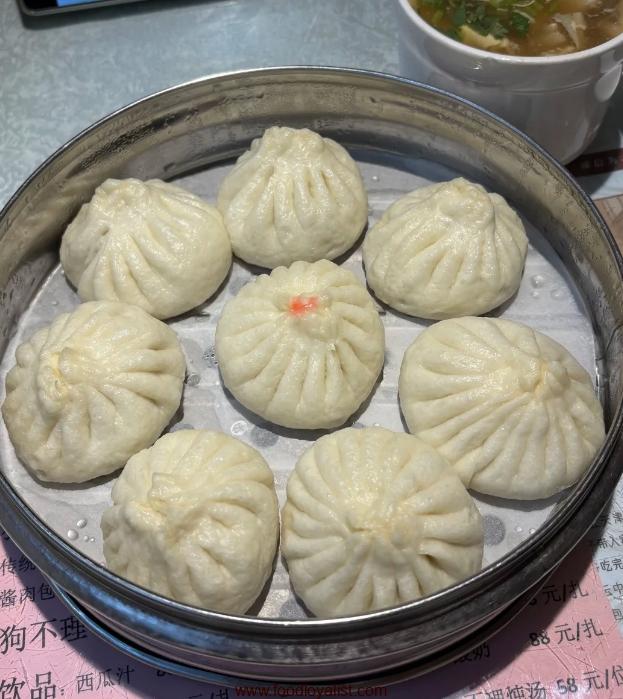
Goubuli Baozi (Dog-Ignored Steamed Buns)
As one of Tianjin’s signature dishes, Goubuli Baozi is a must-try for every visitor. Its history dates back to the Qianlong era of the Qing Dynasty. These buns feature thin, delicate wrappers stuffed with generous fillings and rich, flavorful broth, offering a tender and juicy bite. The most classic version is the pork-filled bun, but nowadays, Goubuli offers a variety of flavors, including seafood and vegetarian options, catering to diverse tastes.
What sets Goubuli Baozi apart is its traditional craftsmanship. The dough is fermented using time-honored methods, resulting in soft, elastic wrappers that perfectly complement the savory fillings. With just one bite, the burst of rich broth is utterly intoxicating. Goubuli Baozi gained fame over a century ago and has since become an iconic symbol of Tianjin’s culinary heritage.
Tianjin Mahua (Fried Dough Twists)
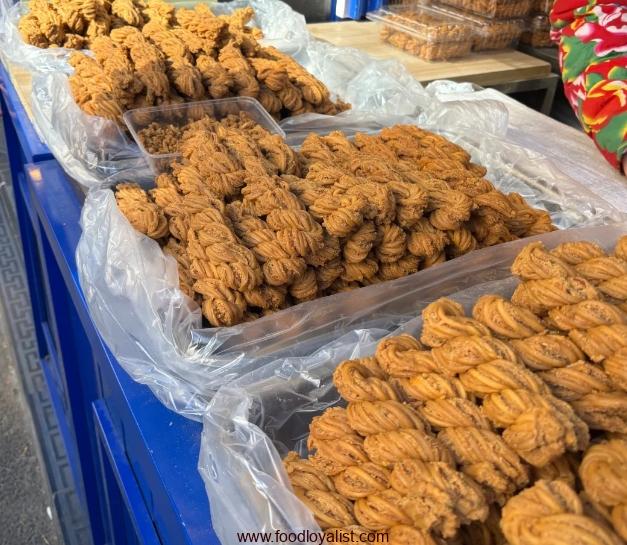
Mahua is a traditional Tianjin pastry known for its crispy texture and enticing aroma, beloved by locals and tourists alike. Tianjin’s Mahua is particularly renowned for its frying technique—golden-brown and crispy on the outside while retaining a satisfying chewiness inside, creating a delightful contrast in texture.
Tianjin Mahua comes in a wide variety, from the classic plain version to sweet, sesame-coated, or even savory options. The sweet Mahua, in particular, strikes a perfect balance—sugary but not overwhelming, with a pleasant chewiness that pairs wonderfully with a cup of hot tea.
Tianjin Zhagao (Fried Rice Cake)
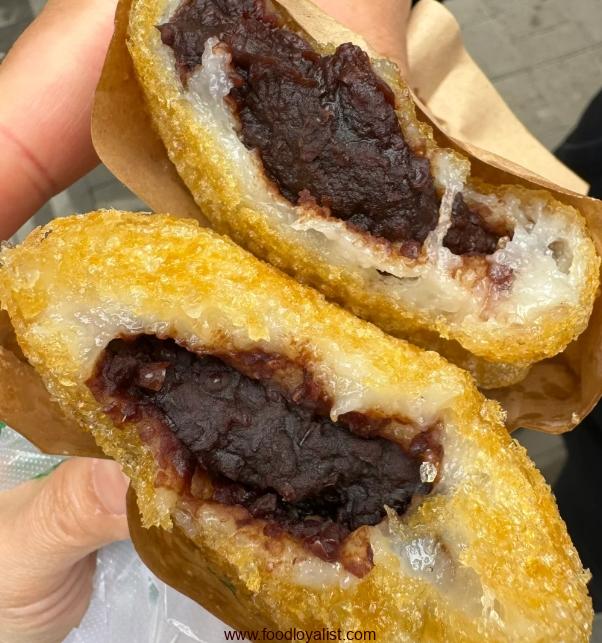
Zhagao is a traditional Tianjin snack with a crispy golden exterior and a soft, fluffy interior. Made primarily from glutinous rice flour, it is coated in a thin layer of flour before frying and filled with sweet red bean paste or tofu filling. The outer layer turns delightfully crisp after frying, releasing an irresistible aroma with each bite—sweet but never cloying, making it a favorite among locals.
With a long history, Tianjin Zhagao has been passed down through generations and remains one of the most anticipated treats for visitors. Whether from a morning street stall or a modern restaurant, Zhagao is an essential delicacy on any dining table in Tianjin.
Ear-Hole Fried Cake (Erduoyan Zhagao)
Erduoyan Zhagao is a uniquely Tianjin snack—its name might sound peculiar, but its unforgettable taste will leave you craving more. This fried cake features a golden, crispy exterior that contrasts beautifully with its soft, glutinous rice and sweet red bean paste filling. With each bite, you experience a delightful play of textures—crunchy on the outside, chewy and sweet on the inside.
The name comes from its original shop, “Ear-Hole Alley” (Erduoyan Hutong), where this delicacy first gained fame. Today, Erduoyan Zhagao is a household name in Tianjin and a must-try for both locals and visitors. One taste is all it takes to understand why it has become a culinary icon of the city.
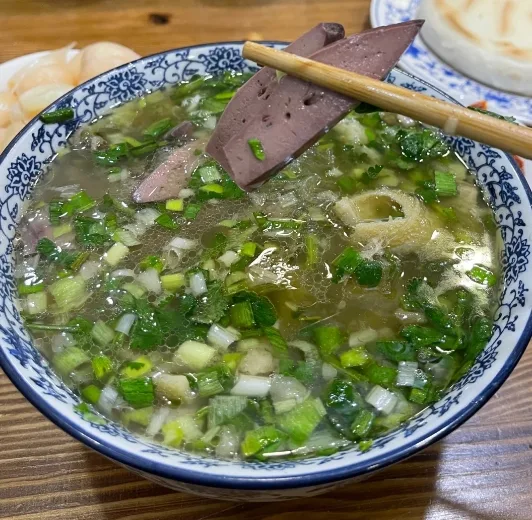
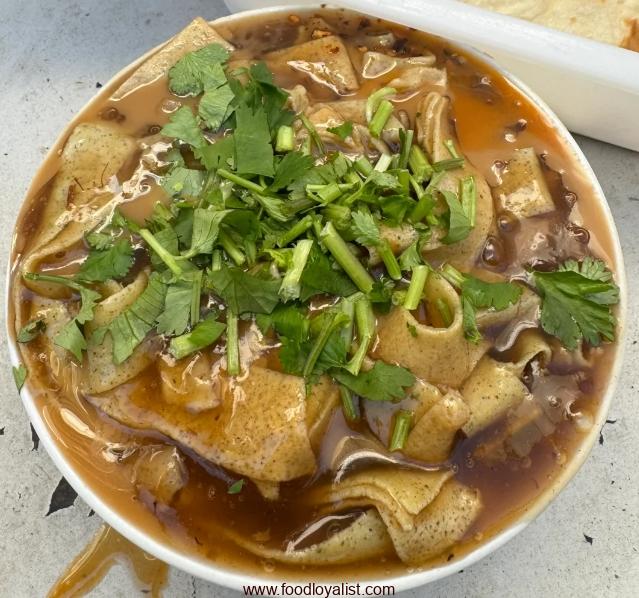
Guobacai (Tianjin Crispy Pancake Soup)
Renamed affectionately as “Gabacai” by locals for its delightful crispiness, this iconic Tianjin breakfast traces its origins back to the Qing Dynasty and remains an indispensable part of daily life.
Crispy Base: Thin pancakes made from mung bean and millet flour, sliced into willow-leaf shaped pieces
Savory Broth: A vegetarian sauce slow-cooked with oil, fermented flour paste, and soy sauce
Signature Toppings: Fermented tofu paste, chili oil, and fresh cilantro
When served, the crispy pancake strips soak up the rich broth, transforming into a perfect texture – tender yet pleasantly chewy. The harmonious blend of umami broth, pungent fermented tofu, spicy chili oil, and aromatic cilantro creates an unforgettable flavor profile that embodies Tianjin’s unique culinary culture.
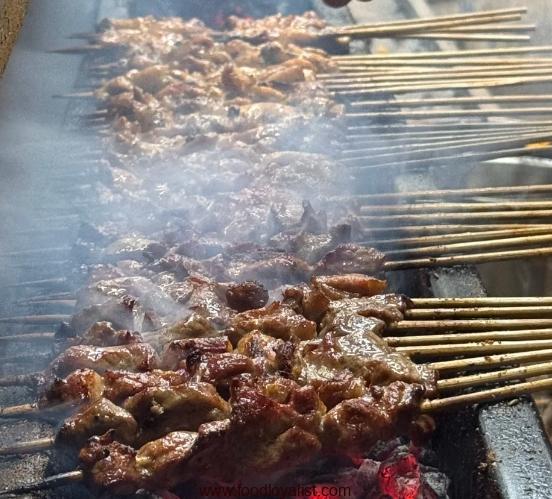
Tianjin Lamb Skewers (Yangrou Chuan)
Tianjin’s lamb skewers are famed for their tender, juicy meat and aromatic spices. Unlike some southern-style skewers, Tianjin’s version emphasizes a robust blend of seasonings—cumin, chili flakes, and Sichuan peppercorns—that coat the fresh lamb chunks before grilling. The result? A smoky, slightly charred exterior with succulent, flavorful meat inside.
Especially popular in winter, these skewers are a staple at gatherings and street stalls across the city. The sizzling aroma and spicy warmth make them the perfect comfort food to fend off the chilly weather, offering both hearty satisfaction and a taste of Tianjin’s vibrant street food scene.
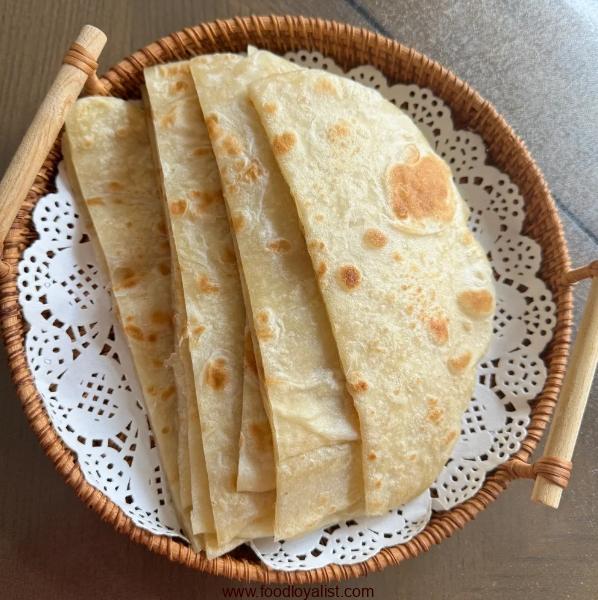
Tianjin Dabing (Stuffed Pancake)
Tianjin Dabing, also known as “Soup-Filled Pancake,” is a beloved traditional breakfast among locals. This pancake stands out with its crispy outer layer and soft, chewy interior—flaky yet never greasy. Though similar in appearance to jianbing, it has a more substantial texture and is often stuffed with vegetables or tofu fillings.
The dough is fermented with yeast and brushed with soy sauce before baking, resulting in a golden-brown crust that contrasts beautifully with the tender inside. Paired with savory fillings, each bite offers a satisfying mix of textures and flavors.
Tianjin Gaogan (Sweet Rice Cake)
Tianjin Gaogan is a traditional dessert resembling dried fruit cakes, made primarily from glutinous rice flour. Its soft, springy texture and subtle sweetness make it irresistible. The cakes come in pale yellow or white hues, with a delicate chewiness and finely balanced flavor.
Often served during festivals like Chinese New Year, Gaogan requires meticulous handcrafting. It’s commonly adorned with red bean paste or nuts, adding richness to its mild sweetness. A bite of this treat evokes both culinary delight and festive nostalgia.

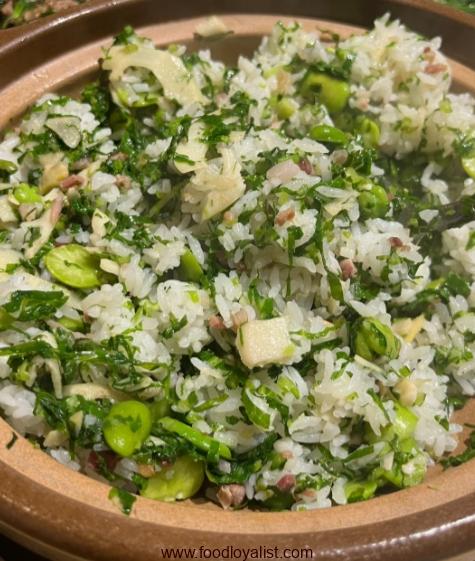
Tianjin Xianrou Caifan (Salted Meat Vegetable Rice)
Deceptively simple yet deeply flavorful, Tianjin’s salted meat vegetable rice is a humble masterpiece. The dish combines cured pork, sausages, rice, and greens steamed together until the grains absorb all the savory meat juices. Every spoonful bursts with umami, thanks to the melding of smoky腊肠 (làcháng) and tender salted pork.
A favorite among those who crave hearty, salty flavors, this dish shines as a comforting centerpiece for family meals. Its magic lies in transforming basic ingredients into something extraordinary through slow, thoughtful cooking.
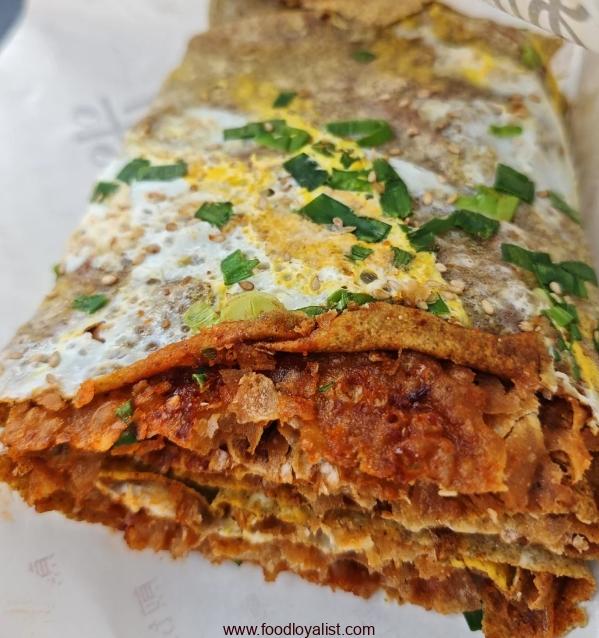
Jianbing Guozi (Tianjin-Style Crepe)
Jianbing Guozhi is a quintessential Tianjin street breakfast and a proud emblem of local snack culture. This crepe wraps a crispy fried dough stick (油条), egg, and sauces in a thin, mung-bean-flour batter. The result? A textural marvel—crisp yet pliable, with layers of eggy richness, crunchy youtiao, and piquant condiments.
Nutritious and energizing, it’s often customized with veggies like lettuce or scallions and slathered with hoisin or chili sauce. For many Tianjiners, starting the day with jianbing is a ritual, offering both convenience and a burst of authentic flavor.
A Culinary Journey Through Tianjin
From time-honored classics like Goubuli Baozi and Mahua to street-food gems—Zhagao, Jianbing, and lamb skewers—Tianjin’s cuisine is a vibrant tapestry of history and local character. Each of these 10 iconic dishes tells a story of craftsmanship and regional pride. Whether you’re visiting or simply craving authentic flavors, indulging in these treats is the truest way to savor the spirit of Tianjin. One bite, and you’ll understand why this city’s culinary legacy endures.